While the idea of saving money by drying out water-damaged carpets may be appealing, there are situations where, for the well-being and safety of our loved ones, it’s imperative to reconsider attempting to salvage wet carpets.
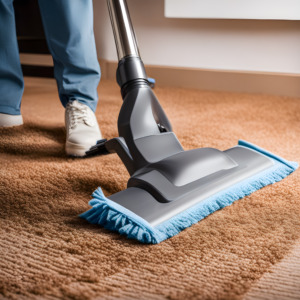 When your carpet has been affected by water damage, the decision to restore or replace it depends on the type of water involved and your family’s health and safety. Here’s how to make the right call:
Contaminated Water: If the water soaking your carpet is contaminated, it’s crucial to prioritize your family’s well-being. This unsanitary flooding can result from various sources like an overflowing dishwasher, punctured water bed, or an overflowing toilet, all of which may contain biopollutant contaminants. In cases where only a portion of the carpet is affected, you can opt to replace only the impacted area.
However, if you’re considering drying out the carpet, it’s advisable to consult a professional. They possess industrial-strength equipment and cleaning solutions to ensure a thorough job. Moreover, they can provide an informed assessment of whether attempting to salvage the wet carpet is a viable option. A reputable company will guide you honestly, even if it means advising against a service that won’t restore the carpet to a safe condition for your family.
Black Water: Water that contains raw sewage falls into a category known as black water. This includes any water that has come into contact with the ground, seawater, or sewage line seepage. In such cases, there’s no middle ground – attempting to dry the wet carpet is not sufficient. The carpet should be removed and replaced to eliminate potential health hazards.
If you’re uncertain about the category your flooded carpet falls into, it’s wise to seek professional advice. They can assess the extent of the damage and the associated health risks, helping you make an informed decision regarding your wet carpet’s restoration.”